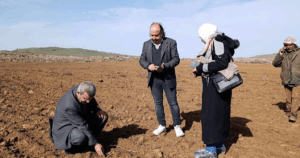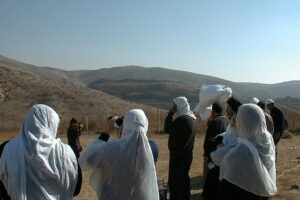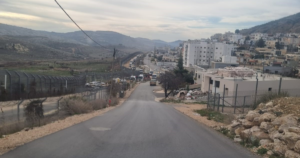
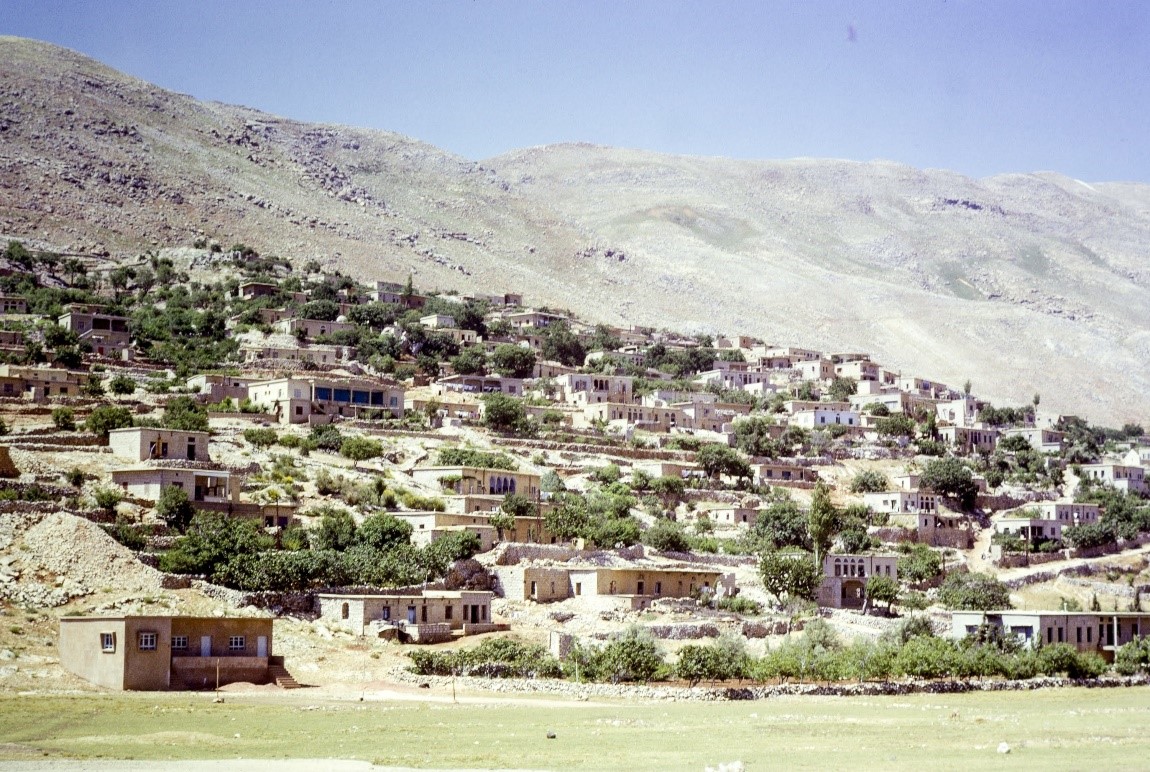
Al-Marsad sent a letter to the Israeli occupation authorities, citing international legal standards and treaties that affirm residents’ rights to access their lands, demanding that they allow the residents of the occupied Syrian Golan villages, particularly Majdal Shams, Mas’ade, and Buq’ata, unrestricted access to their agricultural lands located east of the ceasefire line, which they have been prevented from cultivating since 1974. This demand comes after Al-Marsad received questions and inquiries from the Syrian residents of the occupied Golan regarding their right to access their lands and the acts of sabotage that have been inflicted upon them.
In the letter, Al-Marsad explained that these lands constitute private property of the residents of the aforementioned villages, and that they continued to work and cultivate them regularly after the occupation of the Golan in 1967 until the signing of the “Agreement on Disengagement” in 1974, which led to the establishment of the ceasefire line and placed the buffer zone between the Alpha line and the Beta line under the control of the international force (UNDOF), including thousands of acres of agricultural land belonging to the residents of the occupied Syrian villages, which led to preventing their owners from accessing them.
Al-Marsad noted that, according to documented testimonies from residents, the occupation authorities granted limited access to these lands between the years 1974 and 1979 through special permits issued by the military government and coordinated with the international force. However, this right was abolished entirely since 1979, and later, after the annexation of the Golan in 1981, it became a criminal offense under Israeli law.
The letter came in light of recent developments, particularly the Israeli army’s occupation since December 2024 of the UN-supervised demilitarized zone, which has exacerbated violations and infringed upon international legal standards, creating security barriers and military roads within private agricultural lands, thus violating property rights and international humanitarian law.
Al-Marsad affirmed that these practices violate key provisions of international law, including Article 46 of the 1907 Hague Regulations, which prohibits the destruction of private property; Article 53 of the Fourth Geneva Convention of 1949, which prohibits the destruction of property except where military necessity is absolute and temporary; and the right to freedom of movement and property, guaranteed under the International Covenant on Civil and Political Rights, emphasizing the legal obligations of the occupying power.
The letter also recalled that the International Court of Justice, in its 2004 advisory opinion on the separation wall, affirmed that preventing farmers from accessing their land constitutes a continuing violation of their economic and social rights, and that any security measure loses its legitimacy when it results in long-term harm to the rights of protected persons.
Consequently, Al-Marsad demands that the residents of Syrian villages in the Golan Heights be granted free and permanent access to their agricultural lands east of the ceasefire line, that all military actions damaging private property cease, and that the occupying power be held accountable for respecting its obligations under international humanitarian law and human rights law.
Al-Marsad affirmed that we would continue to pursue the case legally and human rights-wise, and take the necessary steps locally and internationally to defend the rights of the residents of the occupied Syrian Golan to their land and livelihoods. It is worth noting that the right of access to their land should not be contingent on any security or military measures that the occupying power might take. Even if it were to reach a new security agreement with the Syrian Interim Government and withdraw to the 1974 Disengagement Agreement lines, this should not infringe upon the right of the Syrian residents of the Golan to access their land, regardless of any potential agreements or security arrangements.
Read more: